

Managing a Dubai property from the UK is possible with the right systems for tenants, rent collection, maintenance, and costs. You can manage these tasks yourself or appoint a local property management company, depending on your property and the support you need.
For UK landlords, clear records and regular oversight help keep property responsibilities on track without frequent trips to Dubai. Aarika Real Estate helps clients navigate Dubai property decisions, whether they already own a property or are considering becoming a landlord.
For UK-based buyers considering an investment in Dubai, explore our Dubai property investment opportunities for UK investors to discover properties and investment options relevant to your objectives.
Can You Manage a Dubai Property While Living in the UK?
Yes, you can manage a Dubai property from the UK by tracking rent, keeping tenancy records, and arranging local support for maintenance and tenant needs.
Some landlords use a combination of both. For example, you might retain control over financial decisions while delegating tenant communication, inspections, and maintenance coordination.
The important point is to establish who is responsible for each task, how decisions are approved, and how you will receive updates while living abroad.
Should You Manage the Property Yourself or Hire a Dubai Property Manager?
Neither approach is automatically right for every UK landlord. The decision depends on your availability, experience, property type, and willingness to coordinate work across time zones.
When self-management may make sense
Self-management may suit landlords who have time to handle tenant communication, understand the process and have reliable local contacts for repairs and property access. It offers more direct control, but someone may still need to attend the property for inspections, repairs or emergencies.
When a property manager may be useful
A local property manager may be useful if you have limited time, live far from Dubai, own multiple properties, or prefer to delegate tenant-facing and operational tasks.
Before appointing a company, establish exactly what is included. Tenant sourcing, rent collection, routine management, maintenance coordination, and tenancy administration may be offered as separate services.
Appointing a manager also does not automatically transfer every legal or financial responsibility away from the property owner.
What Does a Dubai Property Manager Actually Do?
A Dubai property manager can handle different tasks depending on your agreement. Before choosing a provider, check which services are included, what they cost, and how you will receive updates from the UK. If you are preparing to rent out your property, read our Dubai leasing guide to understand the main steps involved in letting a property.
- Tenant Marketing and Screening: For vacant properties, a manager may prepare listings, arrange viewings, respond to enquiries, and carry out tenant checks. Ask how tenants are screened and how the recommended rent is compared with similar properties.
- Rent Collection and Payment Follow-Up: A manager may track rent payments, follow up on overdue amounts, and maintain payment records. Confirm when rent is transferred to you, what deductions apply, and whether you will receive regular statements.
- Tenancy Administration: Services may include preparing tenancy documents, coordinating registration and renewals, and maintaining handover records. Agree who handles each task and when you will be notified of important deadlines.
- Property Inspections: Inspections can help identify maintenance issues and record the property's condition. Ask how often they take place, whether extra fees apply, and how findings are shared. Property access should be arranged appropriately with the tenant.
- Maintenance and Repairs: A manager may coordinate repair requests, obtain quotations, arrange contractor visits, and report on completed work. Agree on a spending limit for routine repairs and when your approval is required.
- Owner Statements and Reporting: Regular reports should show rent due and received, expenses, overdue payments, and the balance payable to you. Request a sample statement before signing so you can see how easily you will be able to monitor your Dubai property's finances from the UK.
How to Manage Tenants and Rent Collection Remotely
Rent collection is more than checking whether a payment has arrived. A reliable process should cover the agreed rental terms, payment records, communication, and action when a payment is delayed.
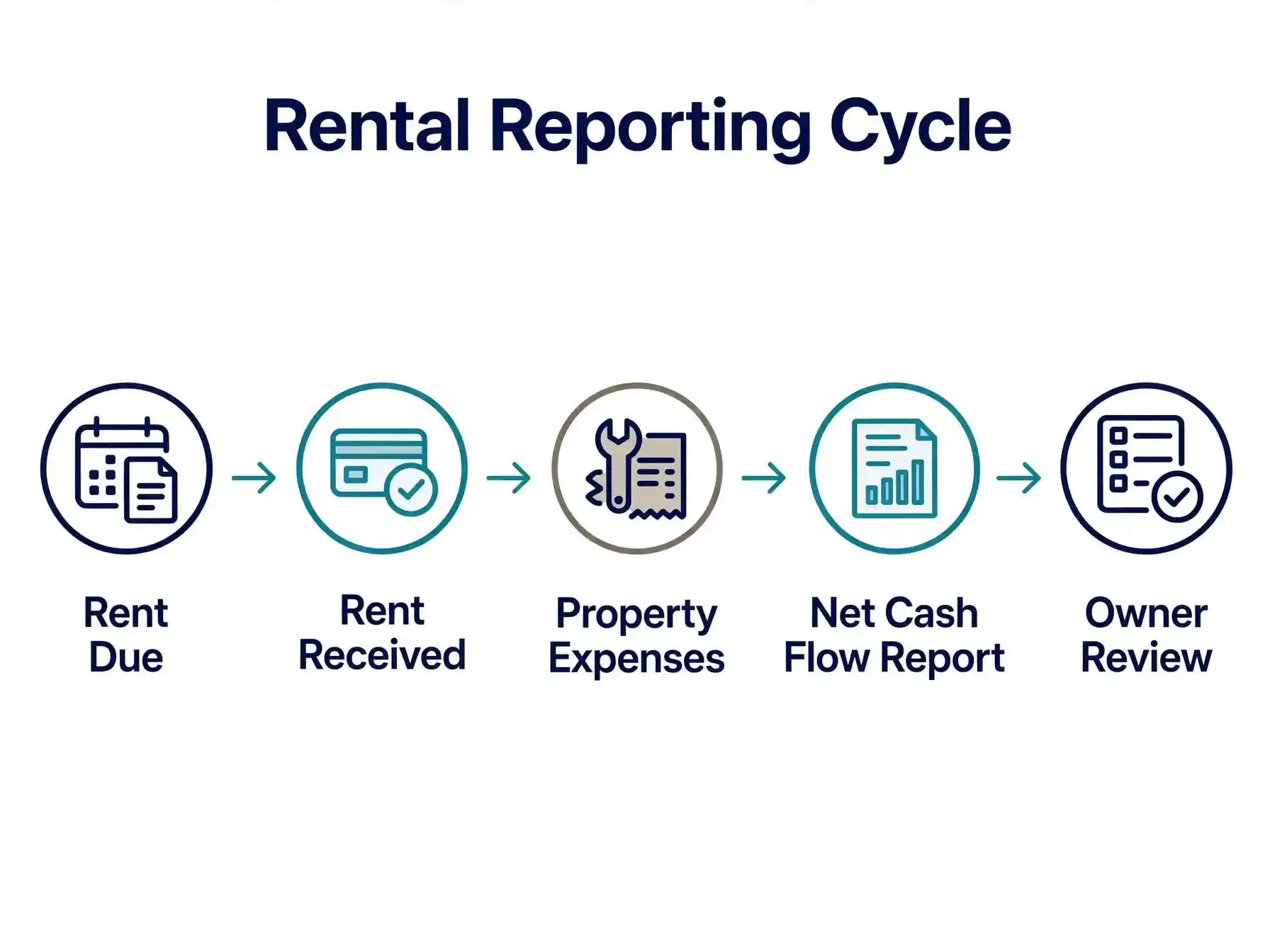
Establish a clear rent-monitoring process
Start by keeping a copy of the signed tenancy agreement and its payment schedule. Record the amounts due, payment dates, amounts received, and any outstanding balance.
If a property manager handles rent collection, ask for regular statements and agree how quickly overdue payments will be reported to you.
Review rent against comparable properties
When setting or reviewing rent, consider properties in the same building or comparable nearby communities. Factors such as layout, floor, condition, furnishings and available amenities can affect demand.
Advertised rents are not necessarily the amounts ultimately agreed. Where possible, ask for evidence of comparable achieved rents rather than relying entirely on property portal listings.
For broader rental-performance calculations, see our guide on how to calculate net rental yield in Dubai.
Plan for tenancy renewals
Do not leave renewal discussions until the last minute. Review the tenancy terms, payment history, property condition, and applicable rental rules before deciding what action to take.
Dubai's rental regulations and permitted rent adjustments depend on the circumstances. Check the applicable requirements before proposing changes or issuing notices.
The Dubai Land Department's official rental services provide a useful starting point for checking rental information.
Keep communication documented
Maintain written records of important tenant communications, payment issues, repair requests, and agreed actions. A shared digital folder or management portal can make these records easier to access when you are in the UK.
How to Handle Maintenance and Repairs From the UK
Maintenance can become difficult when the owner is overseas, and the tenant needs a quick response. The solution is to agree a process before a problem occurs.
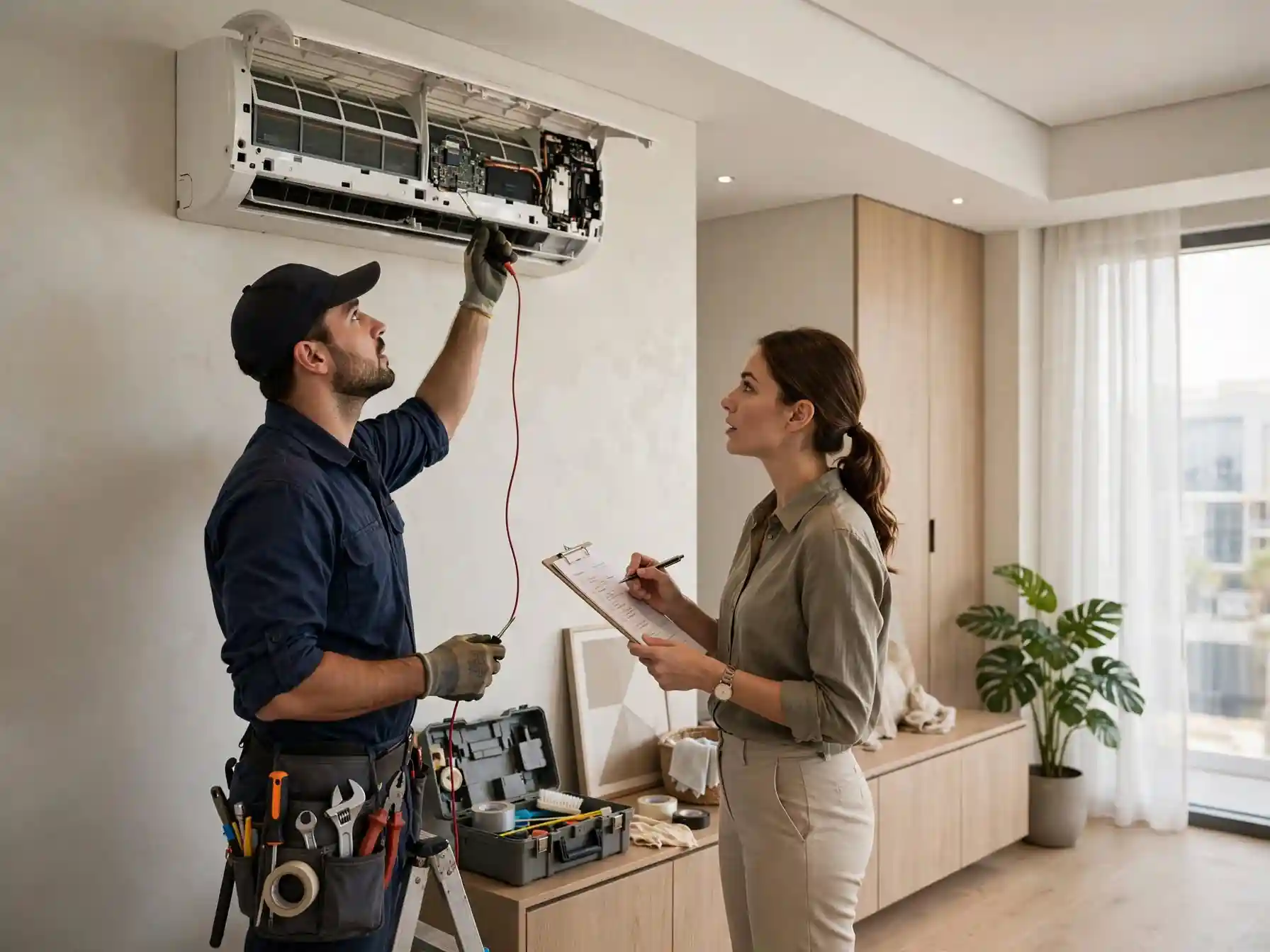
Set up a repair approval system
Decide who receives maintenance requests, who obtains quotations, and who can approve spending.
For example, you may authorise a local manager to arrange routine repairs below an agreed amount while requiring your approval for larger works. The threshold should reflect your budget and the property's needs.
Establish an emergency contact
Ensure the tenant or manager knows whom to contact if there is a serious leak, electrical fault, or another urgent issue. Clarify how emergencies will be handled if you cannot be reached immediately.
Keep evidence of completed work
For maintenance expenditure, request invoices, a description of the work, and confirmation that the issue has been resolved. Photographs may be helpful where appropriate.
This documentation also helps you review recurring problems, assess contractor costs and maintain accurate financial records.
Agree how property access will work
Routine inspections, contractor visits and repairs require practical coordination. Agree who arranges access, how appointments are communicated, and how tenant privacy is respected.
If a property is vacant, confirm who holds the keys or access cards and how the property will be secured between visits.
Maintenance checklist for remote landlords
A local contact can coordinate work, but the precise responsibilities depend on the agreement and the nature of the issue.
Dubai Tenancy Rules, Ejari and Property Records
Managing a Dubai rental property remotely involves keeping the relevant ownership, tenancy and building records organised. The specific documents and procedures required depend on the transaction and the type of property. If you are still preparing to become a landlord, our Dubai property buying guide covers key considerations when purchasing a property.
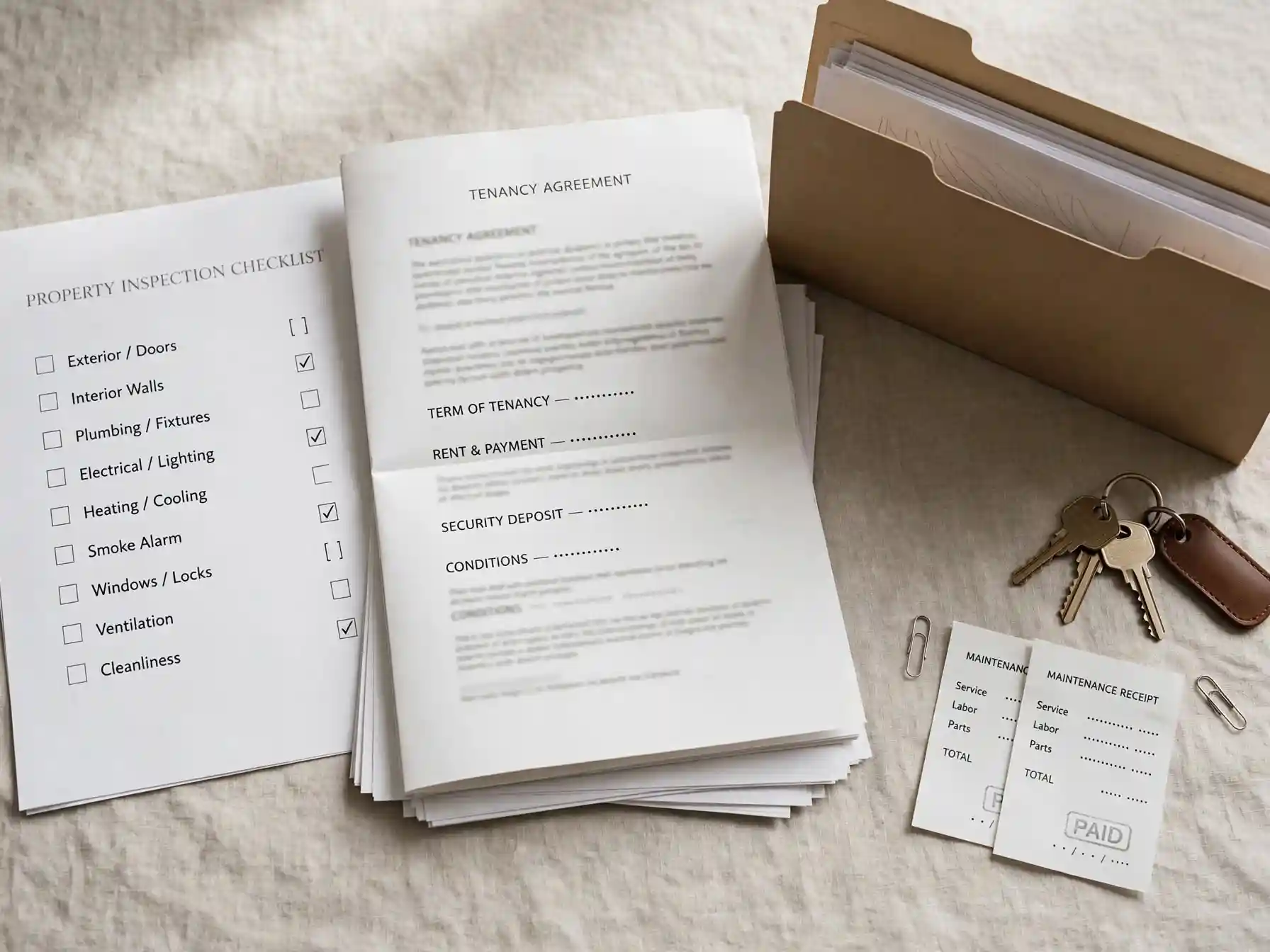
Keep tenancy documentation accessible
Maintain copies of relevant documents, which may include:
- Title deed or other applicable ownership documentation.
- Signed tenancy agreement.
- Ejari registration or renewal records, where applicable.
- Rental payment schedule and receipts.
- Property handover and condition records.
- Maintenance invoices and inspection reports.
- Service-charge statements and relevant building communications.
- Property management agreement and authorisations.
Keep sensitive documents secure and limit access to people who need them for their responsibilities.
Understand Ejari requirements
Ejari is Dubai's system for registering tenancy contracts. Check the applicable registration or renewal requirements for your tenancy and confirm who is responsible for completing the relevant steps.
You can consult the Dubai Land Department's official Ejari registration and renewal service for current procedures.
Do not assume that every administrative task can be completed by a property manager without the owner's documents or authorisation. Confirm the requirements for your specific situation.
Monitor building and community obligations
Keep track of service charges, building access arrangements, maintenance procedures and relevant community rules. If the building or community management team issues notices or requests, ensure they reach you or your appointed representative.
A clear document-management process helps prevent missed deadlines and makes it easier to answer questions from tenants, service providers and professional advisers.
How to Choose a Dubai Property Management Company
If you decide to appoint a local manager, compare providers on the quality and transparency of their services rather than choosing on price alone.
1. Verify the provider's credentials
Check the company's identity, relevant authorisations, and experience with the type of property you own. Where licensing or registration is required for the services offered, verify the applicable requirements.
2. Review the service agreement
The agreement should explain the scope of work, fees, payment arrangements, authority to act on your behalf, reporting, and termination terms.
Check whether tenant sourcing, ongoing management, maintenance coordination, inspections, and renewals are included or charged separately.
For a broader property-checking framework, see our Dubai real estate due diligence checklist.
3. Understand how rental funds are handled
Ask how rent is collected, what deductions can be made, when the remaining balance is transferred, and what financial statements you will receive.
Understand the arrangements for security deposits and other funds, including the responsibilities of the relevant parties under the applicable rules and agreement.
4. Establish maintenance approval limits
Agree what the manager can authorise without contacting you, how emergencies are handled, and how larger works are approved.
5. Ask about reporting and communication
Confirm how often you will receive updates, who your main contact will be, and what happens if that person is unavailable.
A clear communication process is especially important when you are several hours away and cannot attend the property in person.
6. Understand the exit process
Ask how the handover works if you terminate the agreement or change providers. Confirm how keys, tenancy records, outstanding invoices, access arrangements, and other relevant documents will be transferred.
Questions to ask before signing
A written response to these questions gives you a clearer basis for comparing providers and understanding what you are agreeing to.
How Aarika Real Estate Can Help UK Property Owners
Aarika Real Estate is a Dubai property advisory agency that helps clients navigate property-related decisions and understand the Dubai market.
Depending on your needs and the services available, our guidance can help you:
- Understand your property options: Consider how your property fits your objectives and circumstances.
- Navigate leasing considerations: Identify the questions and processes to understand when preparing to rent out or oversee a property.
- Review ownership costs: Understand the expenses and financial factors that should be considered when evaluating a property.
- Identify next steps: Clarify which questions require a property adviser, a local management provider, a legal professional or a tax adviser.
Where dedicated ongoing management is required, confirm the services offered by the relevant provider and the responsibilities set out in its agreement. Aarika should not be assumed to provide tenant management, rent collection or maintenance services unless these are specifically confirmed.
Need Guidance With Your Dubai Property?
If you own a Dubai property while living in the UK, Aarika Real Estate can help you navigate relevant property decisions and understand the next steps for your circumstances.
Frequently Asked Questions
1. Can I manage my Dubai property from the UK without visiting?
Yes. Many ownership and administrative tasks can be coordinated remotely, while a local contact or appointed property manager can assist with tasks requiring physical access. The appropriate arrangement depends on your property, tenancy, and the responsibilities you delegate.
2. Do I need a property management company in Dubai?
Not necessarily. You may manage the property yourself if you have the time, knowledge, and reliable local contacts needed to coordinate tenants, repairs, and documentation. A property management company may be useful if you want to delegate some or all of these operational tasks.
3. How much does Dubai property management cost?
Costs depend on the provider, property, and agreed services. Ask for a written fee schedule covering ongoing management, tenant sourcing, maintenance coordination, and any additional charges. Compare the full service scope rather than the headline fee alone.
4. How can I collect rent from Dubai while living in the UK?
You can arrange rent collection directly or use a management company under an agreed service arrangement. Keep records of amounts due, payments received, deductions, and transfers to your UK account. Confirm the applicable payment procedures and arrangements before the tenancy begins.
5. Who handles maintenance if I live in the UK?
You can coordinate repairs yourself through local contractors or delegate the work to a property manager. Agree on emergency contacts, repair approval limits, contractor access, and the records you expect to receive after work is completed.
6. Do UK residents have to declare rental income from Dubai?
UK tax residents may need to report foreign rental income to HMRC. The precise treatment depends on individual circumstances and the rules that apply to the relevant tax year. Consult HMRC guidance and a qualified tax adviser for your situation.
7. Does a Dubai property manager handle Ejari registration and renewals?
Some providers may offer tenancy administration that includes assistance with Ejari procedures, but this should not be assumed. Check the written agreement and confirm who is responsible for registration, renewal, supplying documents, and obtaining any necessary authorisation.
8. How do I change property management companies?
Start by reviewing the existing agreement's termination provisions, notice period, and outstanding fees. Agree on a handover of keys, records, tenancy information, outstanding maintenance matters, and relevant financial statements. Confirm any authorisation or documentation required for the change.
9. What happens if my Dubai property becomes vacant?
You will need to coordinate the property's condition, any necessary repairs, marketing, viewings, and the next tenancy. Budget for the possibility of lost rental income and expenses during the vacancy. A local representative may help coordinate access and preparation while you remain in the UK.